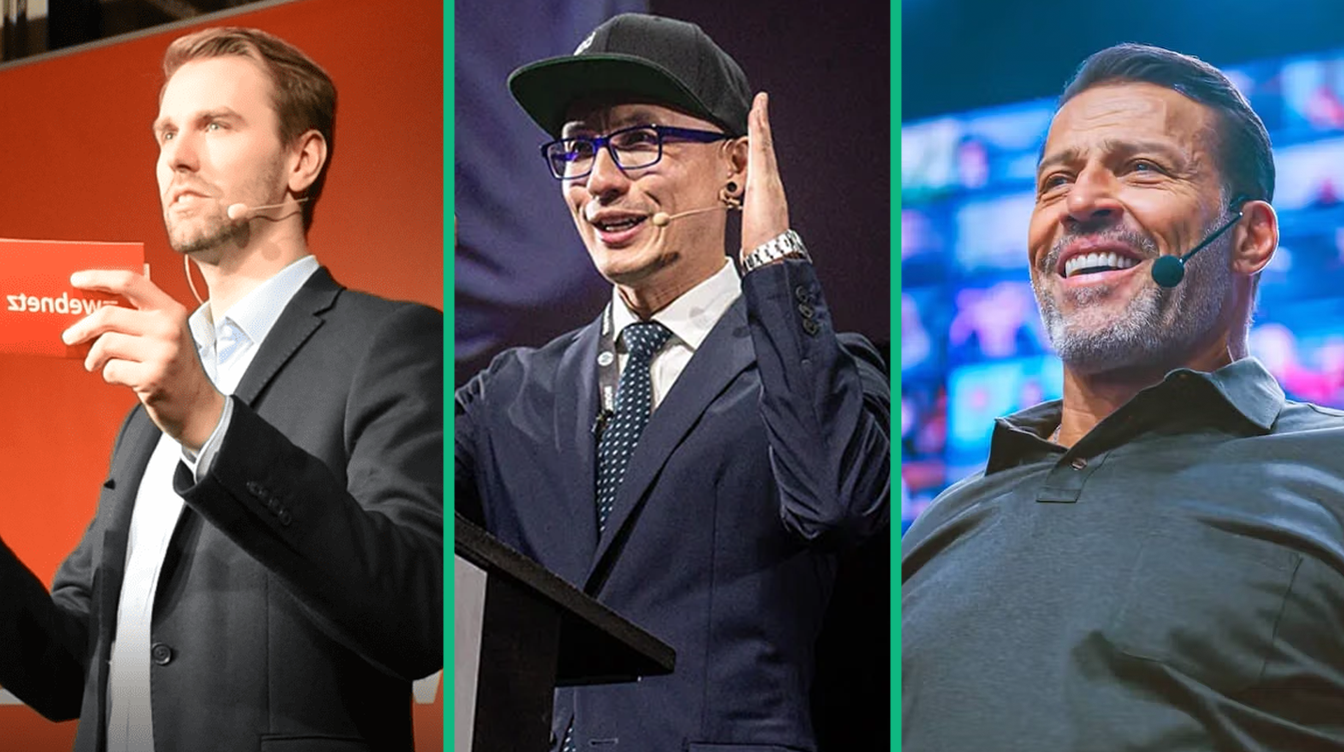
Marketing & Speakers: how to choose the perfect speaker for your seminar or conference.
26 May 2026
Introduction: why book a marketing speaker in 2026?
Anyone looking to organize a seminar, conference, symposium, or corporate business training on marketing in 2026 will notice it immediately: the field is under pressure and in motion. AI, TikTok, first-party data, privacy, customer experience, and new search interfaces are changing what marketers need to know, create, and measure.
That is why a speaker is not just decoration at the end of the day. A good marketing speaker brings a fresh perspective from outside daily practice, clarifies trends, and helps companies choose a direction. Booking speakers is therefore a strategic choice: you choose a face, a topic, and a presentation that can convince employees, customers, and partners.
In this article, you will read how to choose the right profile, which themes are currently relevant, and how to get more out of your event with a good briefing, evaluation, and follow-up.
How marketing events make more impact with the right speaker
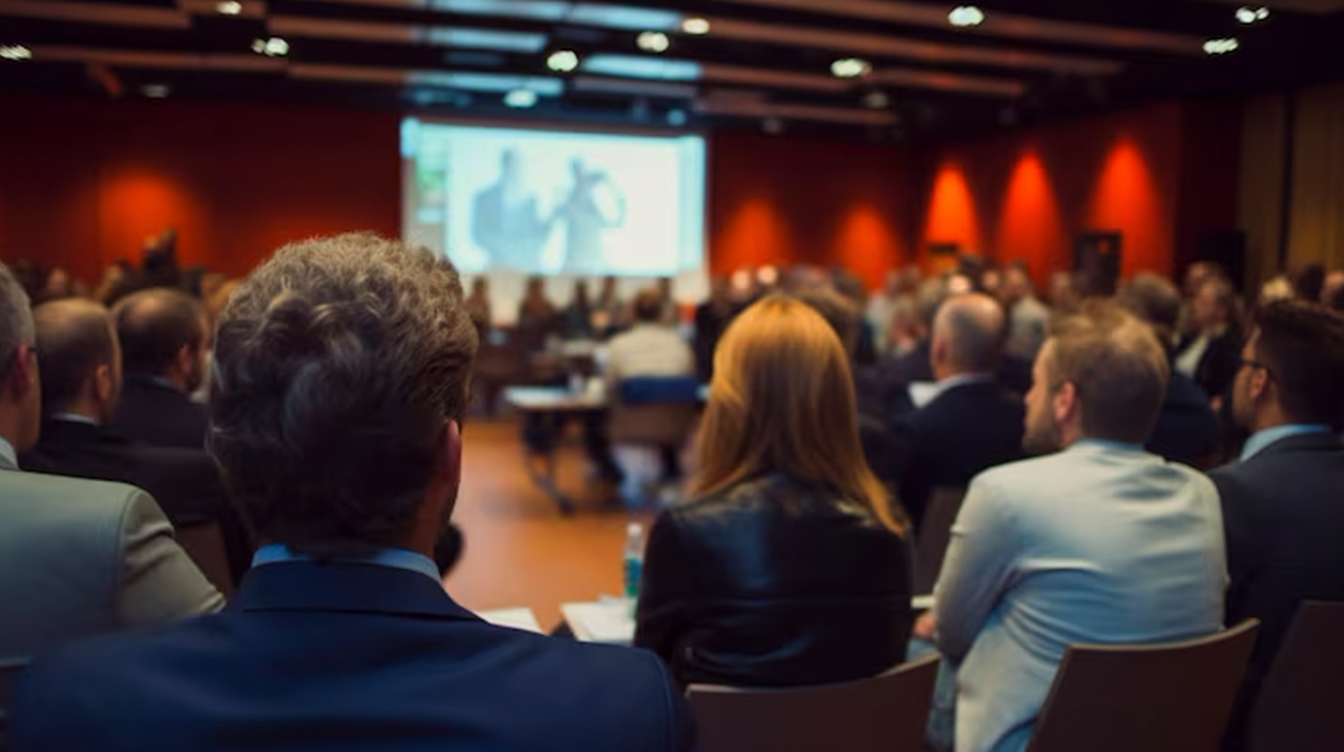
Imagine: Marketing Summit 2026 in Amsterdam. One keynote on AI, brand trust, and customer data becomes the most shared on LinkedIn afterwards. The room wasn't just listening; the audience asked questions, the moderator had to shorten the Q&A, and the evaluation showed that participants mainly remembered the stories.
Many meetings get stuck in "broadcasting": slides, figures, and long cases. A strong speaker turns that into an experience. Telling stories during events creates depth and connection, making the message stick better with the audience. Speakers who tell stories can significantly increase audience engagement and motivation, leading to a more memorable experience.
A good story can increase the impact of a presentation by inspiring the audience and prompting them to take action. Think of a practical case where a team simplified campaign briefings, performed A/B tests faster, and discussed customer insights weekly. Data-driven optimization requires the continuous interpretation of user insights and conversion data to adjust campaigns in real-time.
A speaker also markets your event itself. A well-known expert or sharp thinker helps increase registrations, create social media attention, and make your newsletter more interesting—especially if the speaker participates in an interview, teaser, or short video beforehand.
Which types of marketing speakers fit your goal?
There is no single ideal marketing speaker. The best choice depends on your objectives, needs, theme, atmosphere, location, and target audience. A good match between a speaker and the event arises from clarifying the objectives, the theme, the atmosphere of the event, and the target audience.
Strategic marketing speakers focus on brand strategy, positioning, and customer experience. Popular topics include brand building in a fragmented media landscape, sustainability as a brand promise, and customer relationships from purchase to loyalty. This profile fits well with executive management, leadership, and editions for board members.
Digital marketing & data experts cover SEO, performance, AI, automation, and privacy. Key strategies and techniques in digital marketing include data-driven personalization, AI integration, strong brand building, and a focus on privacy. According to IDC, first-party data and AI-driven insights will become core components of marketing and sales strategies in 2026 (IDC).
Content & storytelling speakers show how campaigns, podcasts, communities, and short-form video work. Short-form video on platforms such as Instagram Reels and TikTok is crucial for both reach and conversion. Building a loyal fanbase via interactive content on social media is more important than just advertising.
Motivational speakers on personal development focus on the person behind the marketer: creativity, resilience, collaboration, and experimentation. These experts are suitable for sales kick-offs, company trainings, and internal marketing days where energy is needed.
Storytelling often works well for a customer day. For an internal marketing seminar, you are more likely to choose data expertise. For an executive offsite, strategy, ethics, and brand value are important. For a corporate training, a combination of expertise and motivation can strengthen the team.
Motivational speakers on marketing & personal development
Motivational speakers don't just talk about campaigns or products. They help participants look at their role differently: what does the future ask of me, how do I collaborate better with sales and IT, and how do I stay creative under pressure?
Themes that work well include "growing from marketer to marketing leader," "personal leadership in a data-driven organization," and "training creativity within corporate frameworks." In SMEs, the focus is often on practical execution with small budgets. In larger organizations, it is more often about culture, responsibility, and cross-departmental collaboration.
Corporate training can strengthen team spirit, promote employee health and well-being, and improve performance on the shop floor. Teambuilding activities help employees get to know each other in a different way, which increases motivation and engagement. Organizing corporate events can lead to increased engagement and motivation among employees, which is essential for a successful organization.
Marketing themes most in demand for speakers in 2026
Marketing questions are shifting from "more reach" to sustainable growth, trust, and experience. Consumers place more value on human and authentic brand stories due to the abundance of AI-generated content. Effective digital marketing combines human authenticity with technological innovation.
Brand building in a fragmented media landscape requires consistency across channels. A speaker can use an external perspective and a fresh eye to show whether your brand story still aligns with what sticks in the customer's mind.
AI literacy goes beyond tools. It is about governance, prompting skills, ethics, and human control. Scientists from relevant fields can also add value here by critically interpreting technology.
Data and privacy remain main themes. Due to stricter privacy legislation and the disappearance of third-party cookies, companies must collect and manage data themselves with user consent. Hyper-personalization involves tailoring content, product recommendations, and emails to individual user behavior based on real-time data.
Customer journey and customer experience are about a single line across all contact moments. A seamless customer experience is important for aligning all touchpoints. Email marketing remains one of the most effective techniques for direct, personalized communication.
Finally, searching is changing. Search behavior has shifted from short keywords to extensive, conversational questions through the use of conversational AI. Optimization for voice search and interactive messaging apps is essential in digital marketing strategy.
Booking speakers: marketing your own event
Booking speakers doesn't start with a name, but with the promise to your audience. If you book a speaker who specializes in the subject of your event, you get relevant knowledge and a presentation that meets the needs of your target audience.
Formulate the goal and target audience exactly: inspiration, knowledge, behavioral change, or customer loyalty.
Determine whether you are looking for a motivational speaker, a content expert, or a combination.
Set a budget. Professional speakers are often around €1,500–€5,500 excl. VAT; bigger names or international speakers can go towards €5,000–€10,000 or more.
Write a short briefing with the theme, context, desired call-to-action, and elements that must not be missing.
Compare references, videos, previous cases, and experience.
Plan a conversation to test chemistry, tone, and expectations.
For large conferences, start 3–6 months in advance. This allows time for announcements, interviews, and teasers. Also look for balance: one big name is great, but panels, workshops, and practical cases from your own organization often support the content better.
How to measure if a marketing speaker actually delivers results
Many organizations experience enthusiasm afterward but measure very little. Make impact concrete on four levels: direct appreciation, behavioral change, business impact, and brand or culture impact.
Direct appreciation is measured with scores, quotes, and NPS. Behavioral change is seen when teams write better briefings, test more often, or collaborate faster. Business impact is about campaign ROI, customer satisfaction, or time-to-market. Culture impact is seen when employees talk differently about marketing, brand, and customers.
Establish KPIs beforehand. For example: within three months, 50% of participants have conducted one AI experiment. Plan a check-in afterward. Speakers with experience in corporate business training can often advise on online Q&As, follow-up workshops, or measurable follow-ups.
A practical example: a B2B company linked a marketing seminar to three ongoing campaigns. After three months, campaign briefings were shorter, testing frequency was higher, and the collaboration between marketing and sales had demonstrably improved.
Practical checklist: the ideal briefing for a marketing speaker
A good briefing makes the difference between a nice lecture and a session that fits perfectly with strategy, brand, and audience. Include this:
Organization type and industry: B2B industry, retail, non-profit, or tech.
Goal of the meeting: inspiration, in-depth knowledge, behavioral change, or launch.
Audience profile: marketers, management, sales, partners, or international guests.
Desired tone: motivational, confrontational, practical, humorous, or visionary.
Link with ongoing campaigns, products, internal projects, or customer cases.
Logistics: date, location, duration, room, technology, Q&A, and breakout options.
Desired result: “we want people to look differently at their own role in marketing”.
Always plan an intake interview with the internal client or marketing director. During this, the speaker can refine requirements, choose examples, and feel the right atmosphere.
Conclusion: a fresh look at marketing starts with the speaker you choose
A marketing speaker is not standalone entertainment, but a lever for strategy, culture, and personal development. The right speaker brings knowledge, expertise, stories, and energy together.
Therefore, choose consciously: which topic fits your audience, what expertise do you need, and what format helps to truly get people moving? Ensure a sharp briefing and measure what the session yielded afterward.
Start thinking now about your next marketing day, customer day, or corporate training. Don't just look for a well-known name, but for the speaker who can strengthen your brand story and inspire your audience.