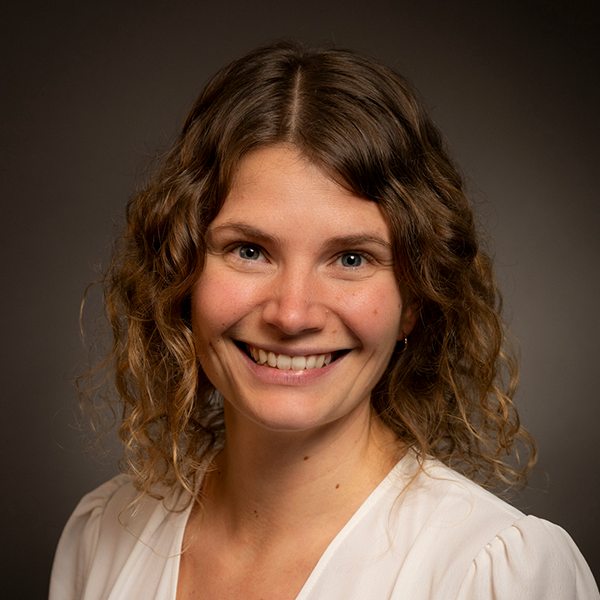
Tanya van Keulen
Expert by experience in anesthesia and addictions
For years, Tanya van Keulen was a high-functioning alcoholic. On the outside, no one could tell. On the inside, her system had been running on red for a long time. A story that far more people recognize than talk about openly. After multiple treatment trajectories and years of self-examination, she left alcohol behind and developed her own method: The System Without Band-Aids. She doesn't just speak about drinking, but about everything we use to avoid feeling for a moment — eating, scrolling, achieving, coffee. Straightforward and with humor. Tanya confronts without shaming, makes heavy topics digestible, and gets an entire room both silent and laughing at the same time. She reveals why willpower rarely works and insight does.
Book Tanya for
Languages
Price indication
Biography
High-functioning, internally on red
Tanya van Keulen was a high-functioning alcoholic for years. On the outside, everything worked: her job, her commitments, the image others had of her. On the inside, her system had long been running on empty. It is precisely this combination — success on the outside, turmoil on the inside — that makes her story relatable to people who would never place themselves in the 'problem' category.
From Treatment Course to Personal Method
After multiple treatment trajectories and years of self-examination, she gave up alcohol. During that period, the question emerged that would define her work: why does willpower work so poorly, and what actually works? From that research, she developed her own method, The System Without Plaster, and founded emotiepleister.nl.
Emotional plasters: everything to avoid feeling for a moment
Alcohol is just one option for Tanya. An emotional bandage is anything we use to avoid experiencing a feeling: food, scrolling, achieving, coffee. In her lectures, she exposes the underlying structure of dopamine, stress and habit formation, and shows why quick fixes offer short-term comfort but cost us life force in the long term.
Speaker, behavioural analyst, cultural mirror
Tanya works at the intersection of behavior change, prevention and awareness. She delivers keynotes, lectures and workshops for companies, municipalities, care institutions, events and conferences, also in English. Her goal is preventive: to help people intervene before they burn out, thereby reducing pressure on healthcare.
Expertise
Automatic coping behavior
Tanya exposes what happens beneath the surface of everyday habits. Why do you reach for your phone, your third coffee, or your evening wine at precisely that moment? She shows that behavior is a signal, not a character trait, and that patterns only change when you understand what function they serve. This reframing removes guilt from the conversation and makes change possible in the first place.
Dopamine, Stress and Habit Formation
The structure beneath behaviour: how reward incentives work, what chronic stress does to your ability to choose, and why a habit keeps repeating despite good intentions. Tanya makes that mechanics understandable for a broad audience and thereby explains what people have interpreted as personal failure for years.
Why Willpower Rarely Works
The conventional advice is: simply do less, try harder. Tanya shows why that structurally fails. Willpower is finite, depletes under pressure, and doesn't address why someone reaches for a band-aid in the first place. Understanding the underlying need does — and that's a fundamentally different approach than discipline.
Prevention and culture in organisations
Performance pressure, always being available, and a culture where you mainly have to keep pushing forward: many emotional band-aids are applied at work. Tanya functions as a cultural mirror for organizations that want to know which patterns they themselves maintain, and what is needed to get people to intervene earlier rather than at the moment they collapse.
Themes
Emotional Band-Aids: what do you do to avoid feeling?
About the patterns we've learned to hide so well as adults. Scrolling, eating, drinking, performing; they're all ways to avoid feeling. Relatable, personal, and with humor.
Numbing is normalized. Feeling nothing.
About a culture that sweeps discomfort away on the terrace and in the shopping cart. Why the Friday afternoon drinks, the cookie tin and performance pressure say more about an organization than the employee satisfaction survey.
Addiction in the Workplace: The Underestimated Cause of Absenteeism.
For HR professionals and managers. How to recognize signals, how to conduct the conversation, and how to build a culture where people feel rather than numb themselves.
Survival is not a strategy.
About inner dynamics. The struggle nobody sees. One version of you wants to numb. The other wants to feel. They exist alongside each other. The work begins by recognizing which one is speaking. A deepening in recognizing patterns and the freedom that emerges when patterns become visible. The difference between functioning and living.
Why Tanya
Lived experience and substantiated insight
Tanya knows the tension between success on the outside and unrest on the inside not from a book, but from her own life. She combines this experience with knowledge about dopamine, stress and habit formation, weaving together personal narrative and substantive foundation into one.
Confrontational without shaming
She exposes patterns that people prefer not to name, but does so without pointing fingers. The audience feels seen rather than caught, and that is precisely the condition needed to act on the insight.
Quiet and laughing
Heavy topics become manageable with Tanya. She knows how to make a room fall silent and laugh at the same time. For her, humor is not a softening of the message, but the reason it lands.
Recognition for those who 'have no problem'
Her story touches the people who function well and therefore remain out of sight. For organizations, these are often the employees you least expect to struggle and who fall the hardest when they do.
Preventive instead of reparative
Tanya speaks before the crisis, not after. For employers, municipalities and care institutions, that is the moment when intervention yields the most, for both people and costs.
Personal, but about collective patterns
Her lectures feel personal while addressing something greater: performance pressure, quick fixes, and the culture in which not feeling has become normalized. Individually recognizable, organizationally relevant.
Talks
Emotional painkillers: what do you do to avoid feeling?
45 - 60 minutesA society that never switches off
We live in a state of hypervigilance: constantly stimulated, constantly reachable, constantly "on," while real danger rarely threatens. Tanya shows how this persistent alarm exhausts the stress system and why we increasingly struggle to tolerate the discomfort of silence.
Discomfort is a signpost
Uncomfortable feelings are not a problem you need to solve. They are signals telling you something. But in a world full of distraction, we learn to suppress them faster and faster, until we no longer know what they were actually indicating.
Why Quick Fixes Are So Tempting
Scrolling, snacking, another coffee: all ways to avoid feeling for a moment. Tanya exposes how this works and shows what it takes to notice what's really going on — before it's too late.
Emotional comfort in the workplace
60 - 120 minutesWhat Lies Behind Absenteeism
For HR professionals and managers who want to understand why teams are no longer running smoothly. Tanya shows how emotional crutches hide in the workplace behind language and "simply working hard," and why suppressing discomfort costs companies billions annually.
Recognizing signals, in yourself and your team
Concretely: what do you pay attention to, what do you see reflected in behaviour and word choice, and how do you distinguish someone who is busy from someone who is numbing themselves. Also within yourself, because leaders are rarely the exception.
The conversation and culture
Recognizing it is one thing, talking about it another. Tanya provides tools for the conversation and shows how to build a culture where people feel rather than numb — preventively, instead of after the breakdown.
Struggling with a bandage on it
45 - 60 minutesContinue until the system turns red
For parents juggling work, children and a mind that never stops. Tanya knows the feeling of constantly struggling while putting on a brave face: pushing through, ignoring, persevering — until the shortest fuse blows.
The traffic light model
Using the traffic light model, you'll learn to recognize when you or your child shifts from green to orange. Long before you explode at your child, your partner, or the dog.
The volcano beneath the surface
Recognizable, honest and humorous, about what emerges when you hold back just a little too long for years. Without guilt, but with insight into the pattern and the space to break it.
Reviews
“Tanya held up a mirror to me in a gentle yet confrontational way, while simultaneously giving me a sense of self-worth that I hadn't had before.”
“What really helped me were the tools to look at myself without judgment. Only when you truly see yourself can you create lasting change.”
“It was deeply impressive to listen to you. Your personal and honest story about alcohol addiction captivated the entire room. You spoke openly, powerfully, and with relatable examples, which was incredibly inspiring.”