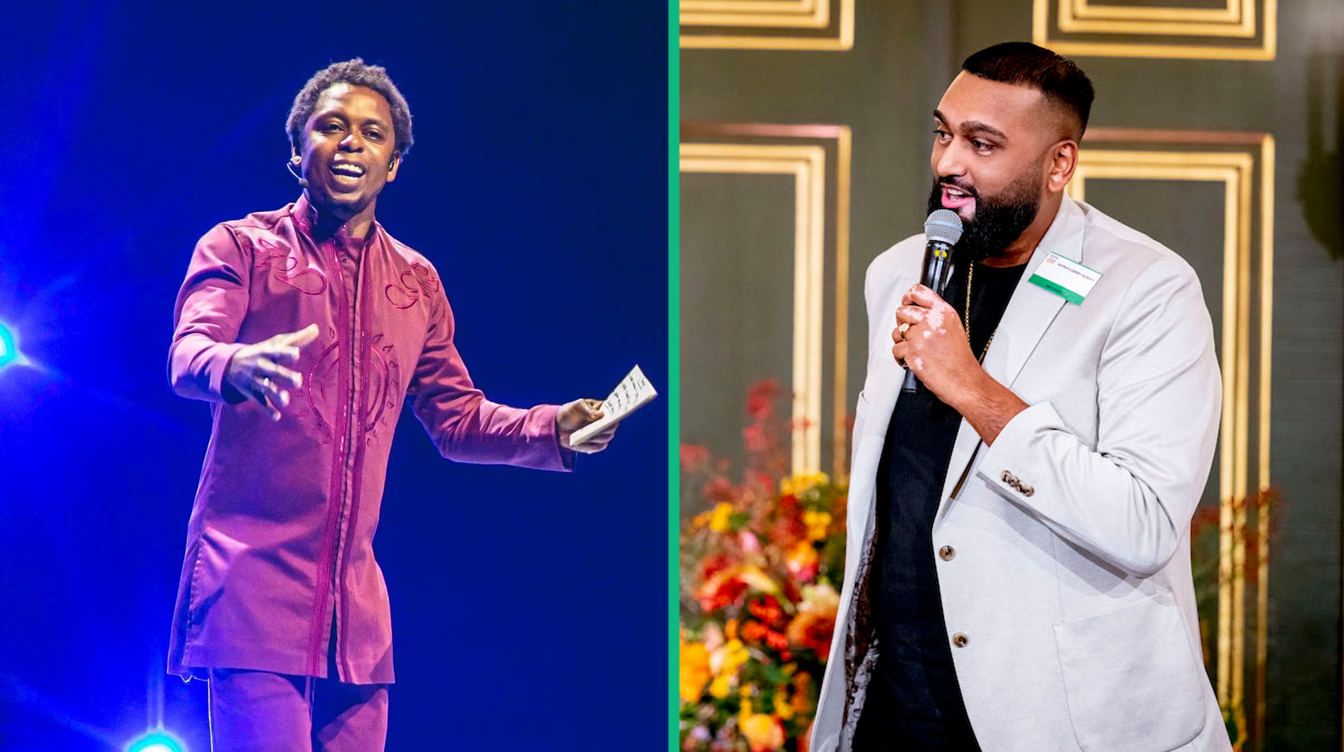
Should You Choose a Famous Speaker or Not? This is How to Make the Right Choice for Your Event
9 May 2026
ⓘ This article is part of the "Complete handbook for finding and booking the right speaker"
Key insights
A famous speaker is not automatically the best choice – the right choice depends on your goal, audience, and budget.
Well-known names often generate more publicity and higher ticket sales, but offer less customization.
Less famous experts score better on substantive depth, interaction, and value for money.
The costs for hiring a speaker range from €250 to more than €20,000, depending on fame and experience.
For specialized workshops, a less famous expert is often more effective and cost-efficient.
Clearly determine in advance which subject the speaker will cover; this facilitates the search for the right speaker who fits the event and the message.
Why this choice is so important for your event
The question “do you choose a famous speaker or not?” usually arises during the initial event planning. The choice of speaker plays a major role in the ultimate success of the event. It is essential to clearly define the goal of your event before choosing a speaker, as this determines which type of speaker is most suitable.
Your choice directly influences the number of visitors, the experience in the room, your budget, and the image of your organization. The right speaker can contribute to a great success for the event. An annual congress in November 2026 with 500 visitors might choose a celebrity for extra PR. An internal leadership program, on the other hand, might book a less famous but specialized trainer for in-depth knowledge.
This article helps you make a conscious choice within approximately 1200 words – not a “one size fits all” answer, but a practical framework.
What do we mean by a ‘famous speaker’?
Famous speakers include TV personalities, former top athletes like Epke Zonderland, well-known authors, entrepreneurs, and influencers with 100,000+ followers. Well-known Dutch figures who regularly appear on stage.
The difference with a substantively famous expert is crucial. A cybersecurity professor is a hero within IT circles but unknown outside of them. A TV presenter is known by everyone but may lack professional expertise. Knowing your audience is crucial when choosing a speaker – someone may be well-known to HR professionals, but completely unknown to IT professionals.
The costs for a speaker vary greatly based on their status and experience. Professional speakers typically charge between €2,000 and €8,000. Famous experts charge between €3,500 and €20,000, with outliers above €50,000 for absolute top names.
Keep in mind that famous speakers often involve extra management costs, such as the speaker's own management or management by speakers bureaus for the organization, preparation, and handling of the assignment. Being unknown, by the way, does not mean being inexperienced or unprofessional – many niche experts perform 100+ times per year.
The benefits of a famous speaker
Famous speakers are popular for good reasons, especially at large events, trade fairs, and customer days. A strong keynote speaker sets the right tone for the rest of the program.
The main benefits:
Crowd-puller: A well-known name attracts more participants and can stimulate ticket sales or registrations. For paid events, this can yield 30-50% more registrations due to FOMO.
Media and PR: Famous faces attract more attention from the press, providing extra publicity for the event. Think of trade media, regional newspapers, and social media buzz.
Trust and credibility: The speaker's reputation reflects on the event and ensures a professional image and increased credibility in the sector. Former executives or top athletes provide authority around themes like leadership or innovation.
Strong presentations: Famous speakers are often known for their well-prepared and inspiring presentations, with which they convincingly convey their expertise and experience.
Networking opportunities: Inviting a famous speaker offers extra networking opportunities, as participants and other speakers like to connect for valuable contacts and collaborations.
Entertainment value: Cabaret-style speakers or TV faces provide energy and entertainment. Ideal after a heavy, content-rich day with many lectures.
Network and sponsor value: Sponsors like to be associated with a famous face. This can make sponsoring 20-40% easier for events in tech or finance.
The disadvantages and risks of a famous speaker
A well-known name is no guarantee of content, connection, or ROI. The decision to hire a famous speaker depends on the main goal of the event.
Concrete disadvantages to consider:
High costs: Hiring a famous speaker often involves significant costs, with fees often exceeding €10,000. Famous speakers often cost double or more compared to professional specialists. In addition to the fee, there are additional costs such as first-class travel, hotel, and management costs, which can quickly drive the total amount toward €15,000-€20,000.
Less customization: Famous speakers often have a fixed presentation, which can make tailoring the content more difficult and expensive. Only 20% offer full tailoring.
Limited availability: Calendars are often full months in advance. For busy periods like September-November 2026, you need to plan 4-9 months ahead.
Wrong expectations: The audience sometimes comes for "the celebrity" while you primarily want to convey change. This leads to a focus on the person instead of the message.
Less interaction: There is often less room for interaction with famous speakers, which is not always conducive to learning objectives. Interactive sessions are more difficult to realize.
ⓘ Learn more about the costs involved in booking a famous speaker
The power of a less famous speaker with in-depth knowledge
An “unknown speaker” is certainly not a second choice. In recent years, more and more organizations have consciously chosen niche experts, such as lecturers from universities or research institutions who offer significant substantive value and up-to-date knowledge.
Why these speakers often score better:
More customization: These experts invest in 1-2 hour preliminary discussions and integrate organization-specific cases. This leads to 50% higher implementation of learnings.
Better price-quality: For €1,500-€6,000, you often get a keynote plus Q&A or a workshop. A good, inspiring speaker must not only have knowledge about the subject but also inspire and motivate the audience, use humor, and engage in interaction.
More interaction: Less well-known speakers more often choose working methods, polls, and breakout discussions. Perfect for actively involving colleagues.
Niche expertise: A logistics expert for a supply chain day or a healthcare innovator for a hospital congress. Speakers with extensive expertise in popular topics such as big data or AI can charge higher rates due to limited availability.
Accessibility: Easier contact, less protocol. This facilitates collaboration and follow-up care such as follow-up training or workshops.
A concrete example: at an internal safety day in 2025, a practical man from the chemical sector with personal stories from the industry had more impact than a well-known TV name who repeated generic anecdotes. An inspiring speaker knows how to inspire and motivate the audience, which is essential for a successful event.
When SHOULD you choose a famous speaker?
Sometimes a well-known name is exactly what the event needs. If you want to book a famous speaker, it is often recommended to do so via a professional speakers bureau.
A speakers bureau offers quality assurance and takes the work off your hands in finding and booking the right speaker. The choice between a famous speaker or a subject-matter expert depends on marketing value, budget, and the desired depth of the message.
Scenarios in which a celebrity fits:
Public congress with ticket sales: For events with >300 visitors in 2025-2026, a celebrity boosts ticket sales, for example, an HR congress organized by a recruitment agency.
Anniversary or festive moment: A 25th anniversary of a tech company in October 2026 combines inspiration with entertainment. Passion and humor are part of it.
Campaign launch: A national sustainability campaign by a municipality gains credibility with a widely known ambassador.
Sponsor-driven events: When sponsors explicitly ask for a “big name” at a healthcare institution.
Hybrid events with a high viewing threshold: Well-known faces pull more people to the livestream and ensure 25% higher re-watch rates.
When is a less famous speaker the better choice?
For many business and internal events, a less well-known expert actually creates more value. Inspiring speakers are available for almost every conceivable theme and subject, but it is essential to clearly determine which specific subject or theme the speaker will address.
Choosing the right themes for your event is crucial for success and helps in selecting the most suitable speaker.
Typical situations:
Internal culture or leadership processes: Continuity, follow-up, and confidentiality are more important than fame. 80% of internal leadership programs choose these experts.
Specialist trade congresses: An IT security day in 2026 where professional content takes precedence over entertainment. A specific theme requires specific expertise.
Limited budget (< €5,000): One strong substantive speaker yields more than a celebrity who is “too expensive and too brief.”
Multiple sessions in one day: Besides a keynote, also breakouts and a workshop? You get further with less famous speakers.
Long-term collaboration: Theme days throughout the year with the same trainer for recognition and consistency. This makes implementation much easier.
The impact on behavior is often greater with speakers who are close to the audience's practice and share valuable insights. Less well-known speakers often distinguish themselves through their strong substantive knowledge and their skill in presenting, allowing them to effectively convey the message.
How do you choose the right speaker concretely? (Step-by-step plan)
This practical decision-making framework helps you reach a conscious choice within your organization. Determining the subject and message of the presentation is essential.
Step 1 – Get the goal clear
Summarize in one sentence what participants should know, feel, or do differently after the event. For example: “Participants recognize cybersecurity threats to reduce risks by 20%.” Communicate clearly what you want to convey.
Step 2 – Define the audience
Who is in the room? How many people, what age, what roles, what is their prior knowledge? A speaker must have the capacity to captivate and touch the audience.
Step 3 – Establish a budget
Map out not only the speaker fee but also location, technology, and travel/accommodation. The price of a speaker can be influenced by availability, experience, and the specific topic.
Step 4 – Collect options
Include both famous and unknown candidates. Specifically look for inspiring speakers via social media, LinkedIn, YouTube, and speakers bureaus. Watch Ted Talks and previous performances. Use your network and consult colleagues for personal recommendations, as these often offer valuable insights into the quality of speakers. This search requires care and the use of reliable sources.
Step 5 – Score pros and cons
Score each speaker on 3-4 criteria: impact, relevance to your field, budget, and PR value. It is crucial to align the speaker with the event's objectives.
Step 6 – Internal decision-making
For larger events (>200 participants), always plan a short preliminary discussion. Discuss details such as availability, costs, and added value with the speaker. It is useful to watch videos of speakers and ask for a briefing call to assess whether the speaker immerses themselves in the target audience.
This yields a defensible choice – not "we liked him/her on TV."
Have all steps been completed? Then you can determine the next steps in your search, such as definitively booking the speaker, recording agreements, and preparing the event.
Summary: how to choose consciously – famous or not?
There is no “right or wrong” – famous speakers are strong in PR, crowd-pulling, and experience. Less famous speakers often win on customization, interaction, and price-quality.
The core lies in: goal, target group, budget, and the type of change you want to achieve with your event in 2025-2026. A famous speaker attracts an audience and provides prestige, while an unknown expert often offers more in-depth knowledge.
Experienced speakers can motivate an audience and prompt action through storytelling. A good speaker knows how to tell an inspiring story and makes a difference with strong presentations.
Customer focus is an important aspect: the speaker must align with the needs of your audience. A speaker must not only have knowledge of the subject but also be enjoyable to listen to, using humor and interaction.
Want to brainstorm about the right speaker for your event? We are happy to think along about a suitable choice that aligns with your vision, goals, and expectations.
ⓘ Learn more in our "Complete handbook for finding and booking the right speaker"