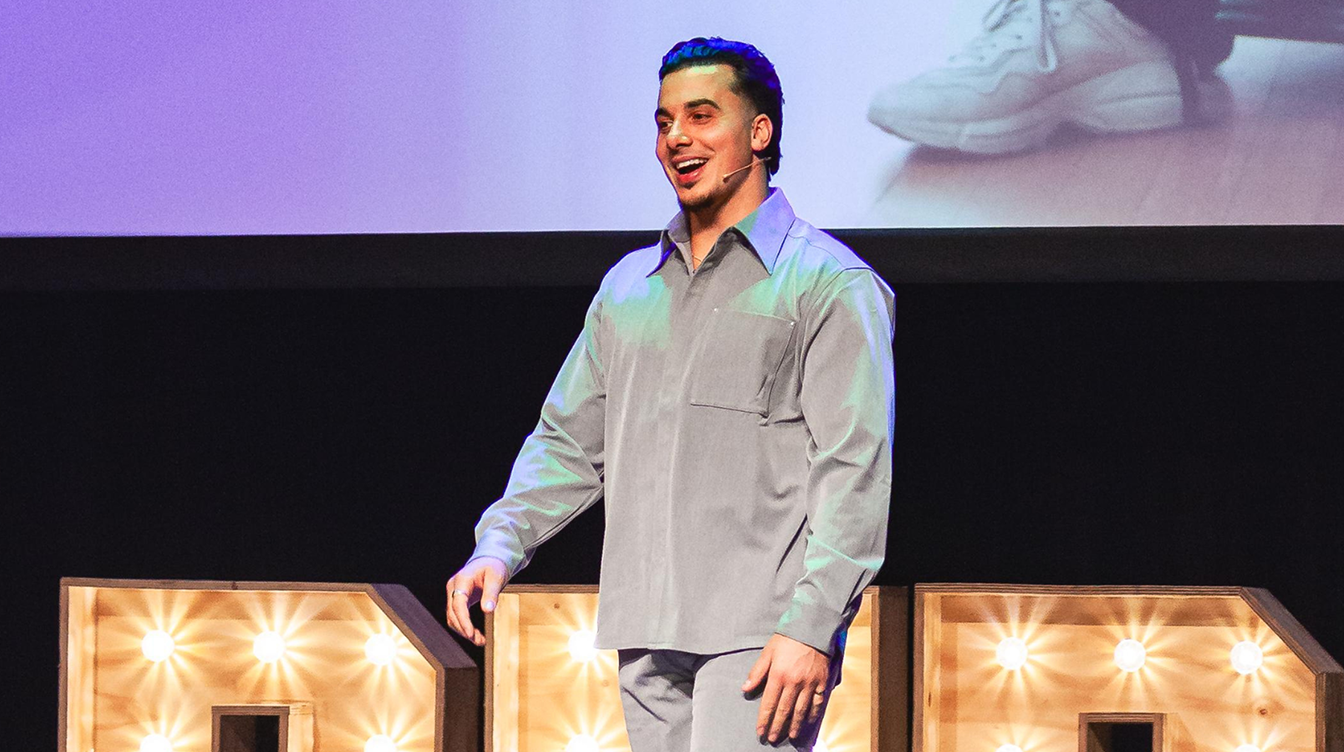
Communication as a theme for your event: how to choose the right speaker for maximum persuasiveness.
26 May 2026
Communication is the process in which information, thoughts, feelings, or ideas are exchanged between a sender and a receiver. At your event, that exchange determines whether people just listen or truly take action. Imagine a sales kick-off in March 2026: a strong keynote speaker translates the new product story into customer pain points, evidence, and a catchy pitch, which leads to account managers demonstrably using the story better the following week.
This article is not a general communication handbook. It is about hiring a speaker or booking a speaker for keynotes, debates, spokesmanship, and custom corporate training. As an agency, we look at objectives, audience, atmosphere, and desired impact.
Introduction: why communication is the success factor of your event
When booking a speaker, it is important to determine what you want to achieve: to inspire, inform, activate, or a combination thereof. An inspiring speaker can be the key to a successful event, as they not only provide substantive knowledge but also increase the engagement and motivation of the audience.
Communication is typically divided into four main forms. Verbal communication includes face-to-face conversations, telephone calls, and presentations. Non-verbal communication includes body language, facial expressions, eye contact, gestures, and intonation. Written communication involves emails, letters, reports, and chat messages; yes, even a follow-up email can maintain the common thread. Visual communication involves conveying information using visual elements such as images, videos, graphs, infographics, and logos.
The power of words: what persuasive communication does to your audience
During a directors' day in 2025, a change program only gained traction when a professional speaker framed the message differently: not "we must reorganize," but "we are building space for innovation and resilience." Research into positive language during changes shows that metaphors and stories can increase trust and willingness to learn (ScienceDirect).
Persuasive speakers are strong at explaining complex issues and creating support within organizations. They use pace, pauses, anecdotes, rhetorical questions, and a fresh perspective on practice.
Before & after
Without speaker: “Our strategy is changing.”
With a good speaker: “This is what will work differently tomorrow for customers, teams, and managers.”
Speakers who tell stories can transform the message of an event into an unforgettable experience, significantly increasing the impact on the audience.
Keynote, training, or debate? Choose the right form of communication for your event
Communication at events can take the form of an inspiring lecture, corporate training, debate, or talk show. The right form depends on the subject, the participants, and the behavior you want to see afterwards.
Keynote speaker: the story that opens or closes your conference
A keynote is a choreographed presentation of 30 to 60 minutes, often serving as an opening or closing. Themes include storytelling in sales, public communication, crisis communication, or persuasive presentation. Well-known speakers or a Dutch celebrity often provide attention, PR, and energy in the room.
Motivational speakers bring energy and focus to the room and align with themes such as leadership and personal development.
Corporate communication training: from listening to direct practice
A training session usually lasts from half a day to two days. Think of debating, speechwriting, answering press questions, or giving feedback. In Q4 2026, a sales department could, for example, practice negotiating; a board of directors could receive media training for annual results.
Custom corporate training is practical: role-plays, video, coaching, cases from own departments, and lessons that employees can apply immediately.
Debate, panel, and talk show: interactive forms for critical organizations
A debate works if you want to let perspectives clash, for example, about AI in the workplace, sustainability, or reorganization. The moderator monitors the process and questions; the subject-matter speaker provides the standpoint and arguments.
Example: an internal dialogue evening in 2026 about data-driven marketing, with the CMO facing off against the privacy officer, live voting rounds, and plenty of interaction with colleagues.
Rhetoric in the boardroom: what your speaker must master
Aristotle’s ethos, pathos, and logos are still the essence of modern business speeches. A good speaker applies this to shareholders, works councils, customers, and the press.
Ethos: building credibility as a leader or expert
Ethos is reliability. A CFO explaining a reorganization in May 2026 builds credibility by saying: “I know this hurts; for me too, this is not just a spreadsheet decision.” A communication professional helps make tone, posture, and words consistent.
Pathos: touching emotions without becoming dramatic
Pathos creates engagement. In a change keynote, employees recognize their concerns: uncertainty, workload, loss of routine. The right speaker touches emotions in a down-to-earth way, without the theater.
Logos: a story that makes rational sense
Logos is structure, data, and conclusion. At a product launch in September 2026, a speaker can explain a complex data strategy in three steps, with graphs that even non-technical professionals can understand.
Checklist: is the structure correct, are sources clear, is the visualization simple, and does the theory support the practice?
From media training to speechwriting: which communication themes fit your goal?
Within organizations and society, specific types of communication are often distinguished, such as formal/informal communication or internal/external communication. For events, these translate into concrete themes.
Press spokesmanship and crisis communication
In the event of a data leak, product recall, or social media storm, you don’t want improvisation. A speaker with journalistic or PR expertise shows what you should and should not say in the first 24 hours. In training, participants practice camera responses, statements, and tough questions.
Storytelling and the power of narratives in sales and leadership
A startup, scale-up, or corporate can use customer cases, origin stories, and hero’s journeys to make strategy tangible. In 2025, for example, a sales organization developed a story-driven pitch for an international tender. Lectures inspire; training allows teams to tell the story themselves.
Debate and persuasion skills for management teams
Strategic sessions require sharp thinking. In a takeover decision, a debate trainer teaches MT members to deliver arguments respectfully, using "Lower House" formats, 1-on-1 pitches, and time pressure. This elevates decision-making to a higher level.
Internal communication during change
Mergers, software implementations, and reorganizations often fail due to noise. Corporate training prepares managers for town halls, individual conversations, and Q&As. Goal: less resistance, more movement, and measurable behavioral change.
Famous speakers or content experts: what works best for your event?
Guest speakers can range from Dutch celebrities to experts in specific fields, depending on the type of event and the desired impact. The best speakers are not always the most famous; it's about the match.
When a Dutch celebrity has the most effect
A well-known personality as a host or moderator can generate more registrations and media value for a customer event in 2026. Famous speakers score on attention and brand experience, but the story must fit the culture, audience, and message.
When a content expert fits better
For an off-site, educational program, or crisis PR training, an expert in a specific field is often stronger. Experts provide depth, frameworks, practical experience, and long-term impact on skills.
How to select the right speaker for communication and debate
Selecting the right guest speaker is crucial for an unforgettable experience and can significantly improve the atmosphere of the event. Selecting the right speaker is crucial for the impact of an event; a good match between speaker and audience can increase the effectiveness of the message and improve the overall experience.
A good match between a speaker and the event arises by aligning the content, the atmosphere of the event, and the target audience. When booking speakers, pay attention to:
experience in your sector;
style: coaching, sharp, or confrontational;
level of customization and interaction;
language level and cultural fit;
cases, references, and practical experience;
ability to motivate, persuade, and guide.
Good advisors think along with you regarding objectives, proposals, and follow-up.
Questions you should always ask before booking a speaker
Ask these questions before booking:
How do you adapt your story to our industry?
Which cases from 2024–2026 can you share?
How do you handle resistance from the audience?
How much preparation does this require?
What information do you need from our communication advisor?
How do you measure impact afterwards?
Can you also support teachers, managers, or teams with follow-up coaching?
Always request a short intake with the speaker.
Investing in communication: what does a good speaker or training cost?
Hiring a speaker is a visible investment, but often small compared to the venue, technology, and catering. According to Dutch market indicators, rates usually range between €1,500 and €15,000, depending on specialization, fame, and type of event.
On average, rates for professional speakers are between €1,500 and €7,500, with international authorities and well-known names often charging higher amounts. The most common rates for speakers are between €2,000 and €5,000, but can also be significantly higher depending on the specific circumstances of the event.
Price is determined by preparation, travel time, duration, customization, number of participants, and desired impact.
How you measure the return on an inspiring lecture or training
ROI is not only measured in euros. Look at behavior: are people using the new pitch format, are managers asking better questions, does the board dare to make media appearances? Also measure NPS, engagement, conversion, or internal trust.
Follow-up helps: handouts, microlearning, return sessions, or extra coaching.