Youth participation and Generation Z: how to find the right speaker for your event
26 May 2026
Introduction: youth participation, Gen Z and the power of a speaker
Do you want to hire a speaker or book a speaker for an event about youth participation and Generation Z? Then you are likely not looking for a general explanation about young people, but someone who helps your audience truly activate youth: at school, within a municipality, in education, at clubs, or in the business world.
Many meetings are still *about* young people, while effective youth participation requires that young people actually have influence and are not just informed after the fact. A keynote speaker with expertise in this subject turns an inspiring lecture into a conversation instead of a monologue, where young people brainstorm, ask questions, and take responsibility.
A good speaker helps administrators, parents, professionals, and guests work together with young people on policy, culture, and society.
Why a specialist in youth participation is indispensable at your event
In 2026, youth participation is not an "extra," but a prerequisite for relevant policy. According to the Netherlands Youth Institute, youth participation is about having a say, participating, and co-deciding on topics that affect young people.
A professional speaker brings practical experience from youth councils, municipal processes, education, and social organizations. This is important because youth participation prevents young people from becoming alienated from politics, making them more active citizens.
The right speaker shows that youth participation:
aligns policy better with the world as young people experience it;
increases young people's involvement in democracy and promotes self-confidence and a sense of responsibility;
helps young people with personal development, such as critical thinking, debating, and collaborating;
results in more creative solutions because young people bring a fresh perspective and different priorities to policy and innovation.
Generation Z and the digital world: what a speaker must understand
Generation Z, born between 1997 and 2012, grew up in a digital world. Gen Z uses TikTok, Instagram, YouTube, Discord, and gaming not as an "extra channel," but as a normal environment for communication, identity, information, and motivation.
This generation places great value on social justice, inclusivity, and sustainability, which often leads them to activism around climate change, elections, and equal opportunities. A speaker who wants to inspire must therefore be able to speak about mental pressure, the labor market, climate, and the future of work without becoming condescending.
Must-knows for every speaker:
Use technology: live polls, chat questions, Mentimeter, and short videos.
Make the message visual and concrete.
Connect themes like sustainability, inclusion, and resilience with practice.
Give regular feedback; this keeps young people engaged in an organization.
Collect data to gather feedback from young people via digital surveys, social media, and interactive workshops.
Important characteristics of Gen Z for your event
Gen Z wants a voice; a keynote speaker builds in space for real participation.
Gen Z sees through window dressing; state in advance what will and will not go to decision-making.
Gen Z responds to visuals; use short clips, examples, and clear slides.
Gen Z lives in online communities; utilize social media before and after the event.
Gen Z seeks depth; avoid empty slogans about leadership and change.
Gen Z is ready for action; climate marches and youth mobilization around the 2023/2024 elections show this.
Gen Z values safety; discuss discrimination, performance pressure, and identity carefully.
Youth participation in practice: formats where a speaker makes the difference
Youth participation is more than a youth panel. Young people can make their voices heard through various forms, categorized according to a participation ladder: from informing to advising, co-creating, and co-deciding.
Youth council bootcamp: the speaker trains young people in persuasion, debating, and collaboration.
Municipal participation evening: a moderator bridges the gap between politics, the municipality, and the young people in the room.
Education conference: motivational speakers show how a school can link participation to citizenship education.
Youth conference: young people formulate proposals on housing, safety, or sustainability.
Participatory budgeting: young people help decide on the budget and priorities.
Youth Summit 2026: administrators, management, and young people make agreements about impact.
See an inspiring lecture as a starting point, not an endpoint.
Plan a follow-up step within 4–6 weeks: app group, youth platform, or follow-up session.
Have the speaker lead an online Q&A or an in-depth workshop.
Link every idea to an owner, deadline, and feedback loop.
Ensure young people hear what happens with their input.
Hiring the right speaker for youth participation and Gen Z
There is a big difference between talking nicely about young people and involving them in decision-making. Anyone wishing to hire a speaker for this specific field must first determine the goal of your event: to inform, motivate, co-create, or make decisions together.
Booking a speaker specialized in your event's topic ensures relevant knowledge and a presentation that aligns with your target group's needs. A good match between a speaker and the event is created by tailoring the presentation to the event's themes, atmosphere, and audience.
So, do not just look for fame, but for the right speaker.
What do you look for when selecting a speaker for youth participation?
Experience with young people from a young age up to 27: ask for references.
Track record with municipalities, youth care, or education: view cases.
Knowledge of Gen Z and digital culture: ask about the tools used.
Interactive working methods: watch videos of previous lectures.
Diversity and inclusion: check language, examples, and sensitivity.
Handling of social media: discuss posts, privacy, and aftercare.
Follow-up: ask how input is translated into actions.
Have youth seriously evaluate youth participation: let a youth council participate in the interview.
Famous speakers or content experts: what works with young people?
Famous speakers or a well-known Dutchman attract attention but do not guarantee depth.
Content experts are often stronger in real participation, collaboration, and co-creation.
The best speakers combine stage presence with practical experience.
A smart setup: a famous speaker for the opening, a youth participation expert for interactive sessions.
How an inspiring lecture truly gets young people involved
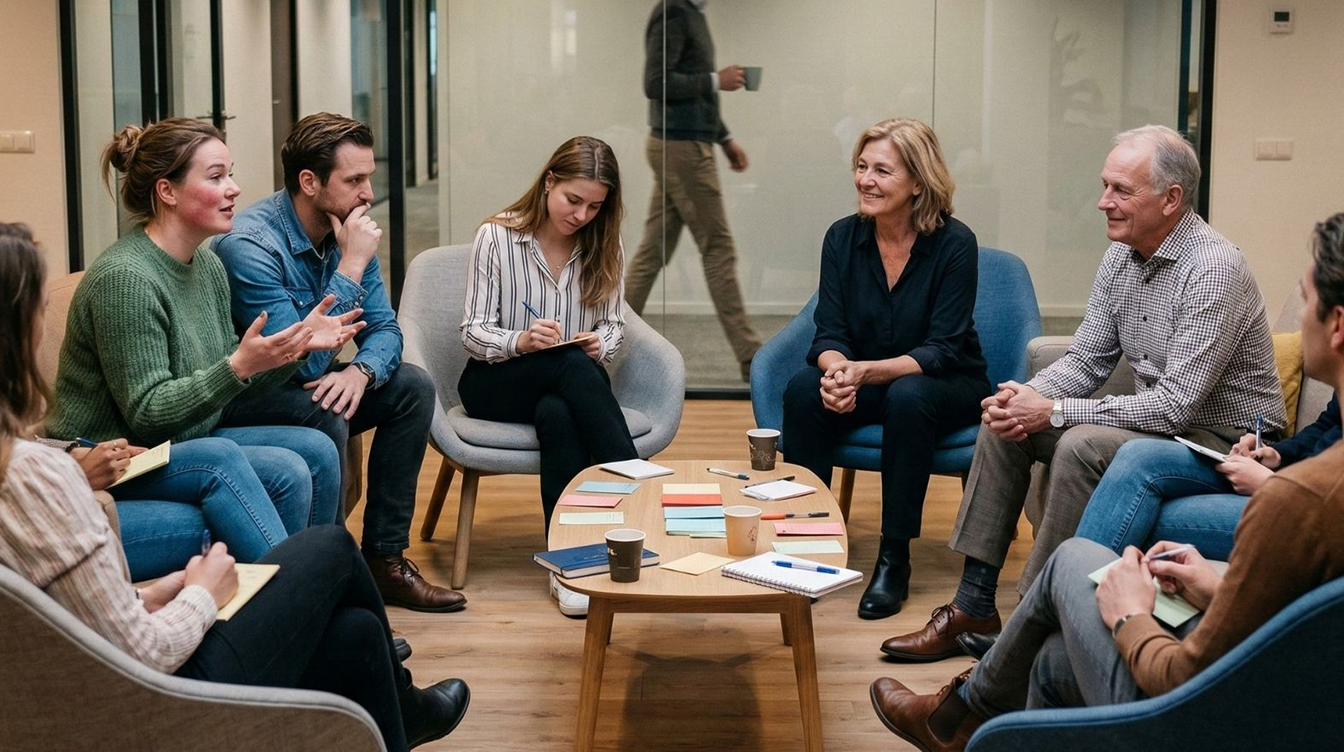
An inspiring speaker can create an unparalleled atmosphere and be the highlight of an event. But with youth participation, one thing is crucial: young people should not just listen, but participate.
Methods that work:
quick check-in: “What really needs to be discussed today?”;
live poll on trust in school, municipality, or organization;
fishbowl conversation with young people at the center;
short assignments where young people create a proposal;
administrators reacting directly to ideas;
digital feedback tool for quiet participants.
A professional speaker guards safety when painful topics arise, such as social inequality, mental pressure, or exclusion.
Program structure: how to keep Gen Z engaged
0–10 min: energetic opening with a clear common thread.
10–30 min: interactive keynote with polls and video.
30–40 min: break and informal contact.
40–70 min: breakouts with youth, professionals, and administrators.
70–95 min: feedback with concrete proposals.
95–110 min: commitments, photo or social moment, and follow-up appointment.
Keep blocks to a maximum of 15–20 minutes; this works offline, online, and hybrid.
Budget, rates, and practical agreements
The costs of hiring a speaker usually vary between €1,500 and €10,000, depending on factors such as the speaker's fame and the type of event. On average, rates for professional speakers are between €1,500 and €7,500, but for international authorities, these amounts can be higher.
Speaker rates depend on various factors, including specialization, experience, duration of the lecture, and travel and accommodation costs.
Include in your budget:
keynote speaker, moderator, or workshop leader;
preparation and email coordination;
pre-event co-creation session with young people;
travel and accommodation costs;
compensation for young people: travel costs, food, gift card, or certificate;
reporting and follow-up.
It also applies to the workplace: involving young people in decision-making can lead to better ideas and increased engagement.
Checklist: ready to book a speaker?
Is the event's goal sharp?
Have you asked at least 5 young people what they want?
Do you know if you want to inform, activate, or decide?
Is the role of the speaker clear?
Does the speaker fit your audience?
Is interaction a mandatory part of the program?
Is the budget, including youth compensation, arranged?
Are the date, location, and technology known?
Is there a concrete proposal for follow-up?
Are you letting young people have a say in choosing the right speaker?
Call-to-action: working together for powerful youth participation
A good speaker does more than inspire: he or she helps young people and adults work together, make choices, and narrow the generational gap. Don't wait until the next policy round. In 2026, take the first step with a conference, meeting, or workshop centered on youth. Contact us for personal advice on finding a speaker in the Netherlands on youth participation and Gen Z, and involve young people in the very first conversation.