The 7 Things You Need to Consider with a Speaker at Your Event
9 May 2026
ⓘ This article is part of the "Complete handbook for finding and booking the right speaker"
A successful presentation depends on more than just a good speaker. The organizers who have staged the best events in recent years know that preparation behind the scenes is just as important as the presentation itself.
In this article, we share the 7 essential things you need to consider when inviting a speaker.
How we selected these 7 aspects
This selection is based on years of practice in event organization and feedback from professional speakers. Analyses show that 70% of speakers cite unprepared technology as their greatest source of frustration.
Organizers often forget to properly prepare speakers, which can lead to technical problems or a lack of alignment with the audience.
A common mistake is booking speakers too late, often leaving only less suitable options. It is recommended to book a speaker well in advance, as popular speakers are often already fully booked.
1. Green Room: A quiet home base for the speaker
Why this is essential
Speakers need peace and privacy for mental preparation. Research shows that privacy and minimal distractions reduce stress levels by 20-30%. This translates directly into more confident presentations and better stage presence.
What you need to arrange
Separate room with privacy, away from the audience
Basic amenities: bottled water, coffee, healthy snacks
Strong WiFi connection for last-minute slide adjustments
Quiet environment where the speaker can concentrate
A good speaker has a strong stage presence and knows how to hold the audience's attention, but that begins with peace before stepping onto the stage.
Possible challenges
With smaller venues, space limitations can be an issue. Be creative with a screened-off corner backstage. The extra cost of 5-10% of the speaker budget pays for itself in consistent performance.
2. Technical Rider: Audio, visuals, and presentation support
Why technology determines success
Technical support, such as facilities for image and sound, is essential for a successful event. Technical failure causes up to 50% of event failures. A good speaker is authentic and personal, but that doesn't come across if the microphone isn't working.
Technical requirements
| Component | Specifications |
|---|---|
| Laptop for presentation | Does the speaker not have their own laptop? Provide a laptop on-site |
| HDMI cables and connections | Ensure there are cables and adapters to get the presentation onto the screen |
| Display and optional projector | Provide well-functioning displays and potentially a projector |
| Audio setup and connections | Many presentations have audio. Ensure this can be played in the hall |
| Microphone | Ensure working microphones for the speaker |
| Clicker | Always have a clicker ready in case the speaker doesn't have one |
| Lighting | Ensure the light doesn't shine directly into the speaker's face |
| Backup | Provide backups for the previously mentioned items |
Ensure you discuss expectations and practical details with the speaker, such as technical requirements and the content of the presentation, to avoid surprises on the day itself.
Problems to avoid
Technical facilities should be tested in advance to ensure they meet the requirements. Plan tests at least 2 hours before the start. Request the rider 4-6 weeks in advance to detect incompatible venues.
3. Recordings: Agreeing on rights, distribution, and ownership
Why this must be arranged in advance
Lack of clarity regarding recording rights leads to 25% of post-event disputes. Legal protection for both the speaker and the organizer is essential. A good speaker must communicate clearly and understandably, and this also applies to agreements around content.
Important agreements
Explicit consent for audio and video recordings
Defined distribution rights (internal vs. external use)
Ownership of raw material with speaker veto on edits
Clauses for the use of snippets in promotion
Well-known speakers often charge €500-2000 extra for the use of their name in ticket sales or recordings.
Legal considerations
In the Netherlands, this must comply with the GDPR (AVG). Inform the audience about recordings via announcements or disclaimers. Perform copyright checks on visual material provided by the speaker.
4. Catering and Dietary Requirements: Caring for the speaker
Why good care is important
Speakers with stable blood sugar levels perform 15-20% better. Professional hospitality shows that you take the speaker seriously and strengthens trust.
Practical matters
Inquire about allergies and dietary requirements (vegan, halal, gluten-free) 4 weeks in advance
Plan light meals 3 hours before the speech so as not to hinder digestion
Keep drinks continuously available: water, tea, isotonic drinks for vocal hydration
Accommodate specific wishes with personalized options
Points of attention
With back-to-back events, 40% of speakers complain about late meals. Special diets cost 10-15% extra but build loyalty. A personalized bento box works wonders for your speaker's confidence.
5. Post-Interaction: Q&A and networking opportunities
Why follow-up is valuable
Interaction with the audience can be an important part, where the speaker can lead a Q&A or act as a moderator. This increases the value of the event by 30-40%. Effective speakers tell a story that holds the audience's attention, and interaction deepens that connection.
Possible forms of interaction
Q&A session (15-30 min) immediately after the lecture
Networking drinks with walking dinners for informal chats
Signing sessions for authors (often 45 min post-talk)
Breakout workshops for 20-50 participants
Engaging the audience can be done effectively by using humor, as this relaxes people and opens them up to the message.
Organizational aspects
Interactive elements such as asking the right questions or organizing group discussions can increase engagement. Plan 20% of the total slot time for interaction. Observing the audience's reactions during a presentation can help in making adjustments.
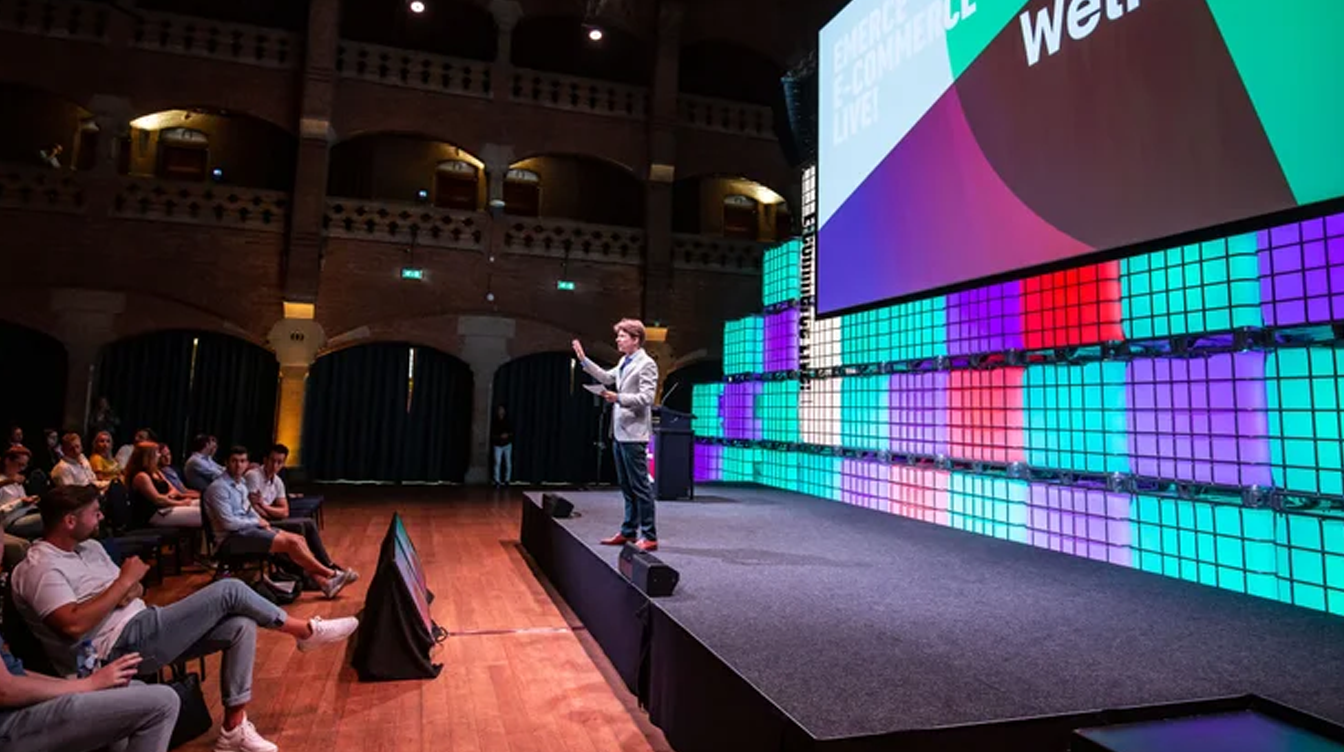
6. Stage Presence: Optimizing the stage setup
Why stage layout is crucial
Obstacles on the stage reduce charisma by 25%. Speakers must be able to move freely and authentically to convey their expertise. A good story deserves a stage on which it comes to life.
Stage optimization
Good sightlines from across the hall (stage height 0.5-1m for <500 pax)
Confidence monitors (15-24” screens) at eye level for slide previews
Cable-free zones via wireless systems
Ample walking paths (min. 3x3m) for gestures and eye contact
Visual support such as images, graphs, and diagrams can help clarify the structure of the presentation and convey the message more effectively.
Technical Details
Position screens at 45 degrees from the stage. Use matte surfaces to prevent reflections. Elevated stages offer 20% better visibility than flat setups.
7. Speaker Host: A dedicated contact person and guidance
Why personal guidance is important
A dedicated speaker host reduces miscommunication by 50%. With multiple speakers at complex events, coordination is essential. The speaker feels welcome and can focus on telling their story.
Tasks of the Speaker Host
Airport reception or parking arrangement (including VIP spots)
Tours to the green room and stage
Real-time problem solving (WiFi fixes, schedule adjustments)
Coordination with tech and catering
Practical execution
Select an experienced employee with a walkie-talkie and a detailed event briefing. Ensure 24/7 availability beforehand. Hosts make events 15% more efficient through smooth routing.
How to Successfully Implement These 7 Aspects
Start with planning
A well-prepared presentation starts with determining the goal and structure, which helps to convey the message clearly and understandably. Start at least 6 weeks in advance with rider and dietary forms per speaker.
Communicate proactively
Send a comprehensive briefing with venue maps, audience profiles, and parking details. A detailed script for the presentation, including timings and interaction moments, promotes smooth execution. It is important to practice your presentation aloud, preferably in front of an audience, to get feedback.
Test and backup
Test all technical equipment the day before. Ensure backup plans for every aspect. This approach reduces the risk of failure by 80%.
Which aspects have the highest priority?
| Situation | Priority |
|---|---|
| Tech-heavy presentation | Technical rider |
| Nervous or high-profile speaker | Green room |
| Complex events with multiple speakers | Speaker host |
| Conference with many attendees | Stage presence |
When choosing a speaker, it is important to get clarity on the event's purpose, so you know which speaker best aligns with the desired outcome. Another common mistake is inviting famous speakers without looking at their content contribution, which can result in disappointment.
Conclusion
Investment in speaker facilities translates to 20-30% higher event quality. Good speaker guidance can take your event to a higher level—or even to a higher level if you implement all points.
In 2026, there is high demand for speakers who can help with digital transformation, sustainability and ethics, and mental resilience. People come for inspiration and thoughts that stick.
Don't skimp on basics like hosts or riders. This checklist will help you ensure your next event is a success. Start planning today—your speaker will thank you.
ⓘ Learn more in our "Complete handbook for finding and booking the right speaker"